


Wholesale to the Public for Powersports Buyers
- Rebel Racing Motorsports

- 2 days ago
- 6 min read
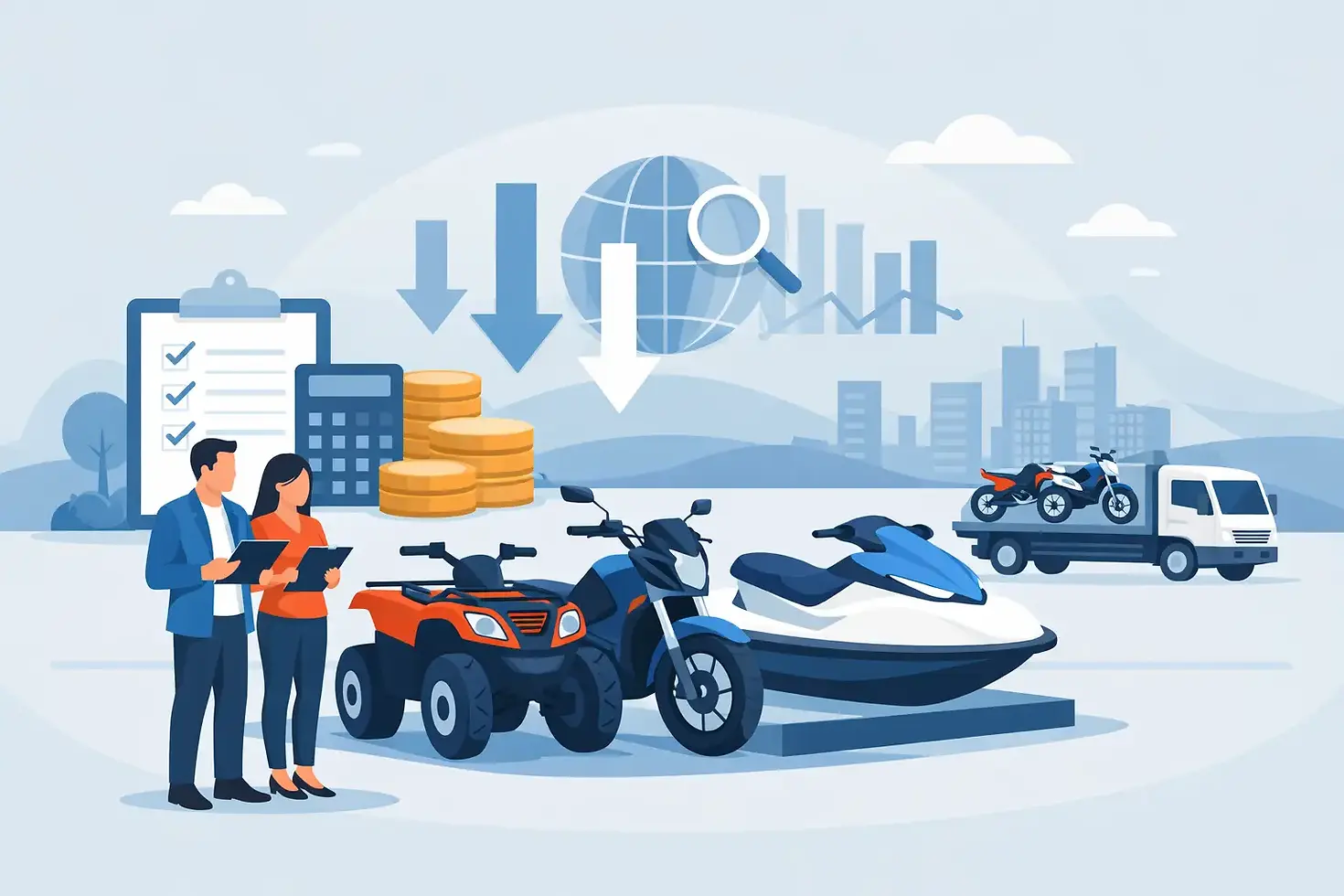
A bike listed at a wholesale-style price can get your attention fast - especially when you have been hunting for a dirt bike, ATV, scooter, or motorcycle that fits the budget. But wholesale to the public does not mean every vehicle is identical, every deal is automatic, or inspection does not matter. It means buyers have an opportunity to shop inventory priced with value in mind, often including trade-ins, used units, and vehicles that may be ready for the next owner with a clear understanding of their condition.
For riders and families across Temecula, Murrieta, and Riverside County, the right wholesale-priced powersports vehicle can put more money toward gear, tires, registration, upgrades, or weekends on the dirt. The key is buying with your eyes open and working with a dealership that can answer real questions about the unit in front of you.
What Wholesale to the Public Usually Means
Traditionally, wholesale referred to vehicles sold between dealers, often as-is and in volume. When a dealership offers wholesale to the public, it opens certain price-conscious inventory to everyday buyers instead of sending every unit through a dealer-only channel.
That can be a major advantage if you know what you are shopping for. You may find a used motorcycle, pit bike, moped, go-kart, ATV, or dirt bike at a lower entry price than a fully reconditioned retail unit. In some cases, the vehicle may need minor maintenance, cosmetic attention, tires, a battery, or repairs before it is ready for the road or trail.
The trade-off is simple: a lower purchase price can mean the buyer takes on more responsibility for evaluating condition and planning for future work. That is not a bad deal. It is just a different kind of deal. A first-time rider who needs a turn-key machine may prefer a fully serviced option. An experienced owner with mechanical knowledge may see real value in a unit that needs a little hands-on attention.
Why Powersports Buyers Shop Wholesale Inventory
Powersports vehicles are built to be used. A dirt bike gets dropped. An ATV sees mud, rocks, and hard miles. A street motorcycle may have aftermarket parts, tire wear, or maintenance that is due based on time as much as mileage. That makes used inventory especially varied, and it creates room for shoppers to match a vehicle to their budget and skill level.
Wholesale-priced inventory can make sense for several types of buyers. A rider may want an affordable second bike for friends or family. Parents may be looking for a youth ATV or go-kart without paying new-unit pricing. A seasoned rider might want a project bobber, chopper, motorbike, or pit bike they can personalize. Another buyer may simply want dependable transportation in the form of a scooter or moped at a practical price.
The best value is not always the lowest number on the windshield. A unit that costs a little more but has fresh tires, a strong battery, current maintenance, and clean paperwork can be the smarter buy. On the other hand, if you have the tools, time, and know-how, a lower-priced vehicle needing basic work may be exactly what you want.
What to Check Before Buying Wholesale to the Public
Do not let a sharp price rush the decision. Get close to the vehicle, ask direct questions, and inspect it like you plan to own it for years, not just ride it for one afternoon. Condition matters more than paint color or flashy accessories.
Start with the basics. Confirm the VIN is present and matches the paperwork. Ask about title status, registration requirements, and whether the vehicle is intended for street use, off-road use, or both. California rules and registration needs can differ depending on whether you are buying a motorcycle, off-highway vehicle, scooter, or another type of unit.
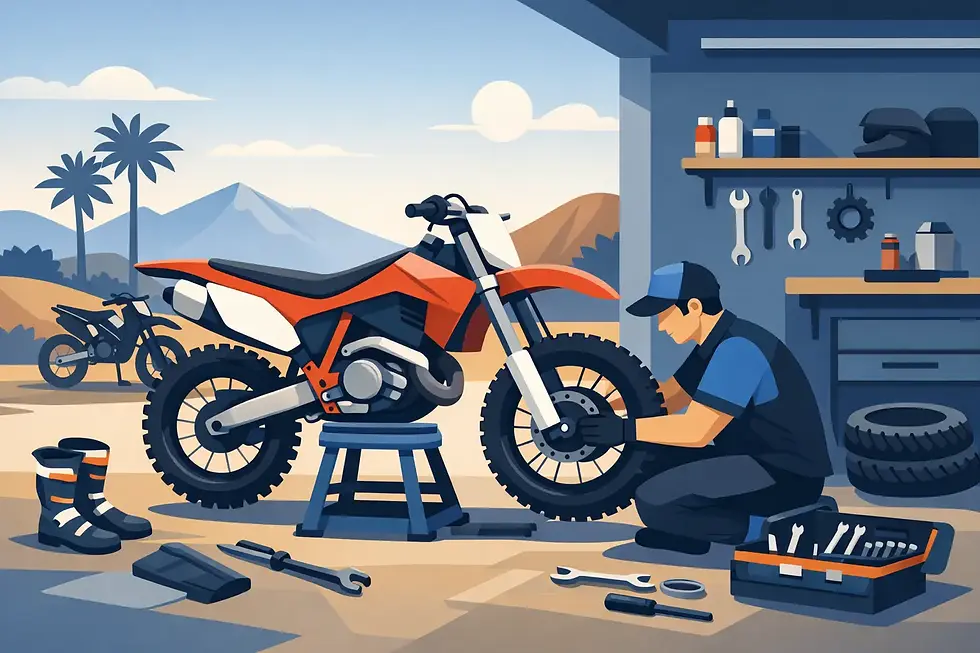
Then look at the mechanical condition. Check for fluid leaks around the engine, forks, shock, brakes, and final drive. Inspect the tires for dry rot, uneven wear, low tread, plugs, or sidewall damage. On a chain-driven bike or ATV, look at chain condition, sprocket teeth, and adjustment. On shaft-drive or belt-drive motorcycles, ask whether there are any known service needs.
A practical inspection checklist includes:
Cold-start behavior, idle quality, smoke, unusual noises, and warning lights
Brake feel, pad condition, rotor wear, and the function of lights and switches
Fork seals, wheel bearings, steering movement, suspension damage, and frame condition
Air filter condition, fuel-system cleanliness, and signs of long-term storage
Evidence of collision damage, rushed repairs, missing hardware, or electrical modifications
If a test ride is available and appropriate, use it to check clutch engagement, shifting, throttle response, braking, tracking, and vibrations. If you cannot ride the unit, have a qualified technician inspect it. A pre-purchase inspection is a smart move on any used machine, but it is especially helpful when you are considering a value-priced or as-is unit.
Ask the Questions That Protect Your Budget
A good buying conversation is not complicated. Ask what the vehicle needs now, what it may need soon, and what work has already been completed. Ask whether it has been inspected, whether parts are available, and whether the dealership can perform the recommended service after purchase.
Be specific. If you are looking at a dirt bike, ask about top-end service, chain and sprockets, wheel condition, and hours if known. For an ATV or UTV, ask about CV boots, four-wheel-drive operation, brakes, suspension bushings, and the condition of the cooling system. For a street motorcycle, ask about tires, battery age, charging system output, brake fluid, fork seals, and service records.
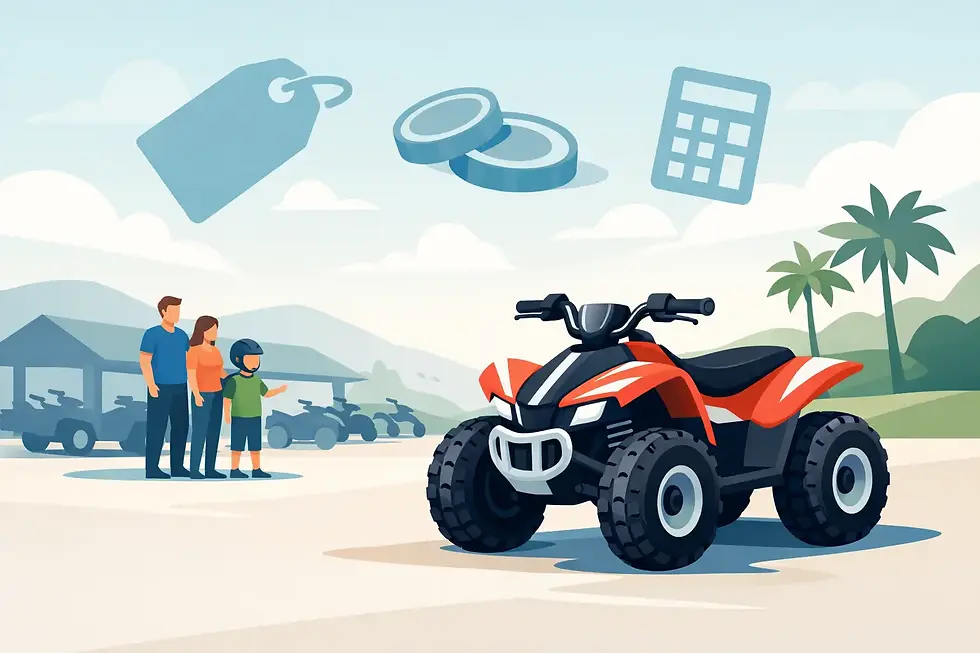
It also pays to ask about the full out-the-door cost. Sales tax, registration, documentation charges, transportation, insurance, safety gear, and immediate maintenance all affect the real number. A lower sticker price is valuable, but only if you have room in the budget for what comes next.
When a Wholesale Deal Is the Right Move
Wholesale inventory is a strong fit when you understand the vehicle category and can be flexible. Maybe the bike is mechanically sound but needs cosmetic work. Maybe the ATV runs well but needs tires before the next desert trip. Maybe a scooter needs a battery and a routine service after sitting. Those are manageable needs when the price leaves room for them.
It may be less ideal when you need a machine ready for a long trip, a child’s first ride, or daily transportation with no time for repairs. In those situations, paying for a fully serviced vehicle can bring more peace of mind. The right choice depends on your mechanical confidence, your available time, and how soon you need to be riding.
There is also a difference between a project and a problem. A project has a known path forward: replace worn parts, catch up on maintenance, and enjoy the build. A problem has unclear paperwork, major engine noise, serious frame damage, or repair costs that could exceed the vehicle’s value. Keep emotion out of that decision. There will always be another motorcycle, dirt bike, ATV, or go-kart to consider.
A Local Shop Makes the Next Step Easier
Buying used should not leave you searching for a separate repair shop the next day. That is where an all-in-one local powersports dealership matters. Rebel Racing Motorsports can help riders shop used inventory, trade a current vehicle, source harder-to-find options, and handle maintenance or repair needs after the purchase.
That support is useful whether you are buying a road bike for weekend rides through Southern California, an ATV for family recreation, or a pit bike that needs to be dialed in before the next track day. Tires, routine service, mechanical repairs, collision repairs, and insurance-related work are all part of keeping a powersports vehicle ready to go.
Buy the Machine You Can Actually Enjoy
A wholesale price should create opportunity, not pressure. Take the time to inspect the unit, understand its paperwork, price the immediate work, and decide whether the vehicle fits the way you ride. If the numbers make sense and the condition matches your expectations, you may have found a machine that gets you back on the dirt, water, or road without draining the entire budget.
Bring your questions, be honest about your experience level, and choose the vehicle that gives you the most ride time for your money. The right deal is the one that still feels good after the helmet goes on and the engine fires up.
Comments