


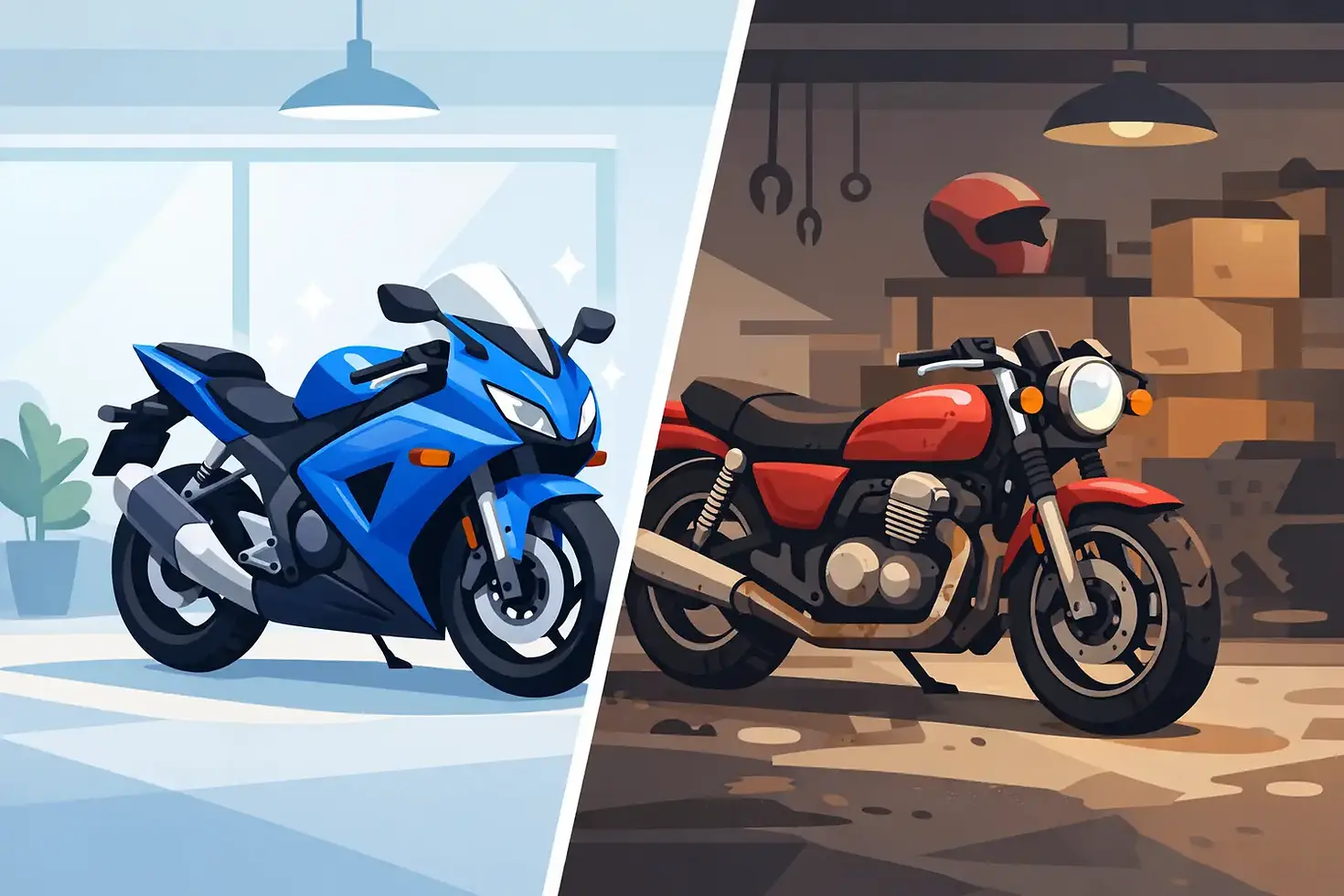
Should Beginners Buy a New or Used Motorcycle?
- Rebel Racing Motorsports

- 3 days ago
- 6 min read
The first motorcycle does not need to be the biggest bike on the showroom floor or the cheapest listing you can find online. It needs to start reliably, fit your body, build confidence, and leave enough room in your budget for gear, training, insurance, registration, and maintenance. When deciding on a new or used motorcycle for beginners, the right answer depends less on bragging rights and more on how you plan to learn, ride, and maintain it.
For riders in Temecula, Murrieta, and across Riverside County, a used bike can be a smart entry point. A new bike can bring valuable peace of mind. Neither is automatically the better deal. The goal is to get on a motorcycle you can handle safely and enjoy long enough to develop real seat time.
New or Used Motorcycle for Beginners: Start With Your Riding Plan
Before comparing price tags, decide where your bike will spend most of its time. A rider commuting on surface streets, cruising through wine country, taking weekend canyon rides, or learning on a small-displacement street bike will have different needs than someone looking for a dirt bike, dual sport, or pit bike for off-road riding.
Beginners usually do best with manageable power, a comfortable seat height, predictable brakes, and a riding position that does not fight their body. Engine size matters, but it is not the only factor. A lightweight 400cc motorcycle may feel easier to control than a heavier bike with a smaller engine. Sit on the bike with both hands on the bars and both feet as close to flat on the ground as possible. If it feels intimidating while parked, it will not feel friendlier at a stoplight or on a loose parking lot.
Also be honest about your first year. Most new riders will make a few low-speed mistakes while learning clutch control, tight turns, and parking-lot maneuvers. That reality influences whether a pristine new bike or a well-kept used one makes more sense.
Why a New Motorcycle Can Be Worth It
A new motorcycle gives a beginner a clean starting point. There is no mystery maintenance history, no hidden crash repair, and no previous owner who skipped oil changes because the bike "still ran fine." You know the tires, brake pads, battery, chain, fluids, and controls are new. That confidence matters when you are still learning what a motorcycle should sound and feel like.
Factory warranty coverage is another advantage. A warranty does not cover normal wear or every rider-caused issue, but it can reduce anxiety over a major manufacturing problem. Newer motorcycles also tend to include modern safety features, such as ABS, which can be especially helpful for riders practicing emergency braking on public roads.
Financing may be easier with a new motorcycle, depending on your credit and the vehicle. A dealer can also help you compare models side by side, confirm fitment, and make sure you understand the first service interval. That first service is not optional. New engines, chains, cables, and fasteners need an early inspection and adjustment after break-in.
The downside is simple: new motorcycles cost more up front and generally lose value fastest in the first few years. Comprehensive and collision insurance can also be higher on a financed new bike. If you are still unsure whether riding is for you, committing to a larger payment may put unnecessary pressure on the experience.
Why a Used Motorcycle Makes Sense for Many First-Time Riders
A quality used motorcycle can stretch a beginner budget much further. Instead of spending every dollar on the bike, you can leave room for a DOT-approved helmet, jacket, gloves, boots, riding pants, training, and the service work that keeps the motorcycle dependable. Those are not extras. They are part of getting started right.
Used bikes also tend to be less painful when the inevitable beginner tip-over happens. A scratched engine cover or bent lever on a clean, older motorcycle is frustrating, but it does not feel like damaging a bike you brought home last week. Many riders buy a reliable used bike, ride it for a season or two, then sell or trade it once they know what style of riding they truly enjoy.
Depreciation can work in your favor, too. If you buy a popular, well-maintained used model at a fair price, you may be able to recover much of your investment when it is time to move up. That is especially useful if you discover you prefer a cruiser over a sport bike, or street riding over dirt.
But a low price is not the same thing as a good value. A motorcycle with neglected tires, a worn chain and sprockets, leaking forks, old fuel, or electrical issues can quickly erase the money saved at purchase. A bike that has been sitting for years may need more than a battery and fresh gas. Carburetor work, fuel-system cleaning, tires, seals, brakes, and fluids can turn a bargain into a project.
How to Judge a Used Motorcycle Before You Buy
Do not let shiny paint or a loud exhaust make the decision for you. Ask for service records, the title status, the number of keys, and a clear explanation of why the bike is being sold. Check the VIN and make sure it matches the title. If the seller hesitates or the paperwork is messy, walk away.
A quick inspection should cover the big-ticket basics:
Check tire date codes, tread depth, sidewall cracks, and uneven wear.
Look for fork leaks, oil leaks, damaged engine cases, bent controls, and scraped frame parts.
Inspect the chain, sprockets, brake pads, rotors, cables, and battery condition.
Start the motorcycle cold when possible, then listen for smoke, hard starting, warning lights, and unusual engine noise.
Pay close attention to modifications. A practical slip-on exhaust or adjustable levers are not automatically a problem. Poor wiring, hacked turn signals, missing emissions equipment, lowered suspension done incorrectly, or a pile of uninstalled parts should make you cautious. Beginners are usually better served by a motorcycle that is close to stock and properly maintained.
If you do not know what you are looking at, bring someone who does or have the bike inspected by a qualified service department before handing over money. That inspection can reveal problems that a short test ride will not.
Budget for the Bike You Actually Need
The purchase price is only the first number. A beginner’s real motorcycle budget should include taxes and registration, insurance, safety gear, a training course, a lock or security solution, routine maintenance, and potential tire replacement. In Southern California heat, tires and batteries deserve extra attention, especially on bikes that sit between rides.
For a used motorcycle, set aside a repair reserve even if it looks excellent. Fresh oil, brake fluid, coolant where applicable, chain service, and a full safety check are smart moves after purchase unless there is clear proof the work was just completed. For a new motorcycle, budget for break-in service and insurance before you sign anything.
Avoid buying at the absolute top of your budget. The best first bike is not the one that leaves you wearing a cheap helmet and postponing needed service. A modest, dependable motorcycle with good gear will deliver more fun than a flashy machine you cannot afford to keep road-ready.
Pick the Bike That Lets You Learn
New riders often focus on engine size, then overlook weight, seat height, throttle response, and ergonomics. A motorcycle should allow you to practice without feeling like you are wrestling it. Look for a smooth clutch, manageable reach to the controls, predictable steering, and enough power to keep up with traffic without tempting you to ride beyond your skill level.
ABS is a strong feature to prioritize when available, particularly for street riders. It does not replace good braking technique, tire maintenance, or rider training, but it can provide an extra margin when a panic stop happens on uneven pavement or loose gravel.
For off-road beginners, the same principle applies. A lighter dirt bike with controllable power is usually more fun and easier to pick up than an oversized machine. Starting on equipment that matches your ability helps you improve faster and reduces the chances of an expensive crash.
Make Service Part of the Decision
A motorcycle is not a one-time purchase. It is a machine exposed to heat, vibration, dust, traffic, and miles. Choose a bike with parts availability, a solid reputation, and a service plan you can keep up with. Oil changes, tire checks, chain adjustment, brake inspections, and fluid service keep a beginner bike safe and ready.
If you are shopping used, ask what it will need now, not someday. Rebel Racing Motorsports can help riders evaluate options, handle routine maintenance and repairs, and keep the bike moving toward the road or dirt instead of sitting in the garage waiting on a fix.
A new motorcycle is a strong choice when warranty coverage, modern features, and a no-history starting point matter most. A used motorcycle is often the better choice when budget flexibility and lower depreciation matter more. Buy the machine that fits your skills, your riding plans, and your ability to maintain it - then spend the time learning to ride it well.

Comments